

Genius Ways to Set up Your Free Zone Company in Dubai: What You Need to Know

Free Zone Company in Dubai offers entrepreneurs and expats an exceptional opportunity to launch and expand their businesses in a tax-efficient, globally connected environment. With 100% foreign ownership, no personal income tax, 0% corporate tax on qualifying free zone income, and full profit repatriation, Dubai’s Free Zones are designed to simplify business setup while maximizing profitability.
In this guide, you’ll discover everything you need to know, from choosing the ideal free zone and selecting the right business license to completing registration, securing office space, and ensuring legal compliance, all to help you establish your company in Dubai quickly and successfully.
Understanding Free Zones in Dubai: A Gateway to Tax-Free Business
A free zone in Dubai is a designated economic area created to attract entrepreneurs and foreign investors through ownership and tax advantages. Where the conditions of the free zone Corporate Tax regime are met, a Qualifying Free Zone Person pays 0% on Qualifying Income and 9% on taxable income that is not Qualifying Income. Simply holding a free zone licence does not by itself put every dirham of profit at 0%: it depends on the activity, on how the company operates towards the mainland, and on meeting the substance and de-minimis conditions.
Unlike mainland companies, free zone businesses are not required to maintain a physical office, allowing entrepreneurs to minimize operating expenses while benefiting from Dubai’s world-class infrastructure and global business connectivity.
Categorization of Free Zone
The main categories of free trade zones are divided into 3 categories
Costs differ as much as categories do, and the hidden costs of a free zone licence covers the ones that rarely appear on a quote.
- Free Zones / Free Trade Zone
- Free Port Zones
- Export Processing Zones (EPZs)
1. Free Zones
A Free Trade Zone is a designated geographical area within a country, which can be established anywhere across its territory. These zones provide significant advantages to large manufacturing and trading companies, offering the opportunity to relocate their entire production lines to benefit from substantial savings on transport and export costs.
Businesses can also set up production facilities in another country and import the finished goods into a free zone without incurring customs duties or taxes. For example, a company could have its products manufactured in China, import them duty-free into the free zone, and then re-export them without paying taxes, allowing profits to remain in the free zone country and stay tax-exempt.
2. Free Port Zones (FPT)
A Free Port Zone (FPT) is a special type of free trade zone strategically located near a seaport or airport, designed to facilitate seamless global trade. Its primary purpose is to reduce government restrictions and promote the unrestricted movement of goods.
3. Export Processing Zones (EPZs)
Export Processing Zones (EPZs) are specialized areas within a country that are designed to promote the manufacturing and export of goods by offering businesses attractive incentives and streamlined regulations.
Why Choose a Free Zone Company in Dubai?
Dubai’s Free Zones offer one of the most flexible and tax-efficient environments for entrepreneurs and investors looking to launch or expand their business in the UAE. With over 55 free zones to choose from, each designed to support specific industries, they provide unmatched advantages such as:
Your licence decides how many residence visas you can sponsor, and every Dubai visa type and what it costs shows what each one covers.
- 100% foreign ownership: Maintain full control of your business without the need for a local sponsor.
- Full profit repatriation: Freely transfer your earnings abroad without restrictions.
- Simplified visa process: Easily obtain residence visas for yourself, your family, and your employees.
- Tax and customs exemptions: Enjoy zero tax on dividends and personal income, plus no customs duties on imports and exports.
Choosing a Dubai free zone means setting up your business in a secure, globally recognized environment built to encourage growth, innovation, and international trade.
Ready to start building your future in Dubai?
Talk to an expert about your project: free zone choice, licence, visas and banking, all handled for you.
Let's talk about your projectFree Zones in Dubai: A Smarter Way to Do Business
Tired of the challenges that come with traditional business setups? Dubai’s free zones offer a dynamic and investor-friendly alternative designed for global entrepreneurs.
Structure decides your bill as much as the zone does, so it helps to see what each structure costs side by side before you commit.
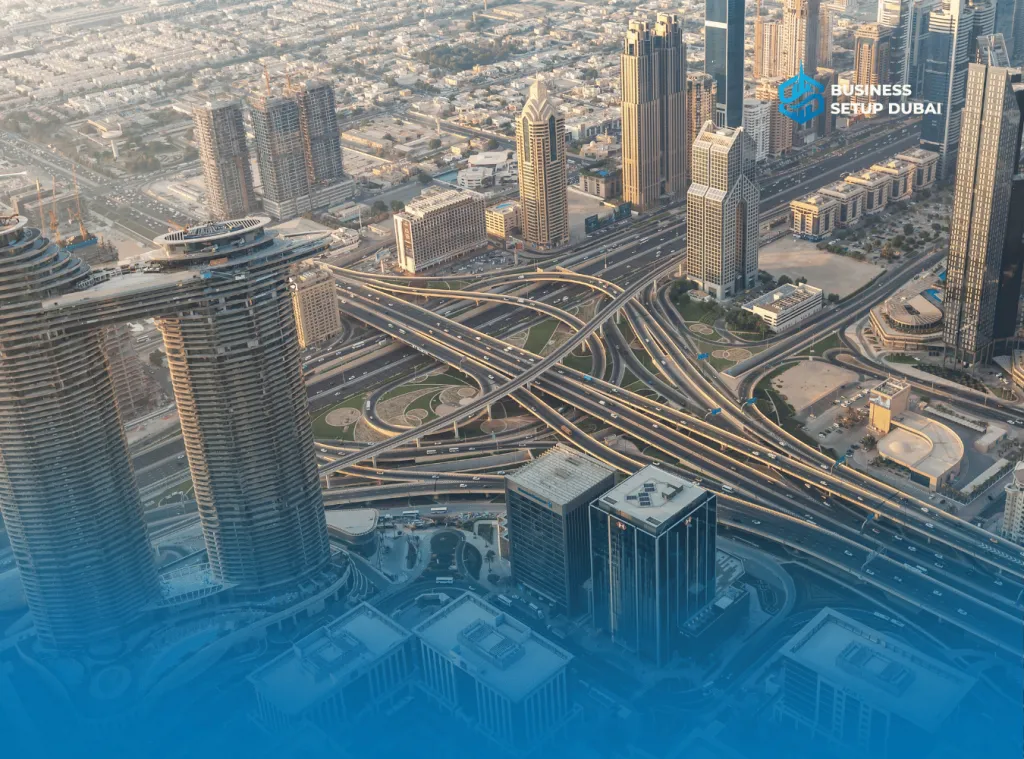
Free zones are designated economic areas within the United Arab Emirates (UAE) that provide a range of benefits to foreign investors and businesses. While free zones exist across the UAE, Dubai stands out as the preferred destination thanks to its global connectivity, modern infrastructure, and pro-business ecosystem.
At the core of every Dubai free zone is its own licensing authority, with its own registration rules, activity catalogue and procedures. That is not the same as independence from UAE law: federal rules on Corporate Tax, anti-money-laundering, immigration and ultimate beneficial ownership apply inside free zones exactly as they do on the mainland. DIFC and ADGM sit in a special position, with their own common-law civil and commercial framework, and that status should not be generalised to the other zones. What a free zone does give you is:
- 100% foreign ownership
- 0% Corporate Tax on Qualifying Income for a Qualifying Free Zone Person, with 9% applying to any taxable income that is not Qualifying Income. The standard AED 375,000 nil band does not apply to a QFZP: the Federal Tax Authority is explicit on this point
- Full personal income tax exemptions
- Simplified customs procedures and reduced duties
- Fast, efficient government services with minimal bureaucracy
The creation of free zones in Dubai and across the UAE was a strategic move by the government to diversify the economy and attract international investment. These zones provide a secure and innovation-driven environment, empowering entrepreneurs to grow their businesses with confidence.
The journey began with the Jebel Ali Free Zone (JAFZA), established in 1985, which became a model for success. Today, the UAE is home to over 55 active free zones, each catering to specific industries, from technology and media to logistics and finance, contributing immensely to Dubai’s rise as a global business hub.
Free Zones Company in Dubai Made Simple: An Entrepreneur’s Paradise Explained
Imagine a free zone as an entrepreneur’s paradise, and a place where complex tax systems and bureaucratic hurdles are cleared away to create a fast, open highway for business growth.
Mainland companies have allowed 100% foreign ownership for most activities since 2021, and in a free zone you retain 100% control of your business as a matter of course; you’re truly the captain of your own ship.
Think of it like owning a private villa with its own garden in a shared neighborhood: you enjoy full independence and freedom, yet remain seamlessly connected to the wider global business community.
Free Zones Across the UAE: A Geographic Breakdown
The United Arab Emirates is home to more than 55 active free zones, each strategically located and tailored to specific industries. While Dubai remains the most popular destination for entrepreneurs, every emirate offers unique opportunities and advantages depending on your business needs.
1. Dubai
The UAE’s business capital hosts world-renowned zones such as Jebel Ali Free Zone (JAFZA) for logistics and trade, Dubai Media City for media professionals, Dubai Internet City for tech companies, and Dubai Design District (D3) for creatives. Dubai’s zones are known for modern infrastructure, strong global connectivity, and industry-focused ecosystems.
2. Abu Dhabi
The capital focuses on innovation and sustainability. Zones like Abu Dhabi Global Market (ADGM) cater to financial services, while Khalifa Industrial Zone Abu Dhabi (KIZAD) supports manufacturing and logistics. These zones emphasize regulatory excellence and international credibility.
3. Sharjah
Known for affordability and versatility, Sharjah offers Sharjah Media City (Shams) for content creators, Sharjah Publishing City (SPC) for publishing and education, and Hamriyah Free Zone for industrial operations. It’s ideal for SMEs and startups looking for cost-effective options.
4. Ajman
Ajman Free Zone (AFZ) provides a simplified setup for small businesses, e-commerce entrepreneurs, and traders. Its competitive pricing and quick registration process make it a budget-friendly choice for first-time investors.
5. Ras Al Khaimah (RAK)
The RAK Free Trade Zone (RAKEZ) stands out for its flexibility, low costs, and access to manufacturing and industrial facilities. It’s popular among manufacturers, consultants, and freelancers seeking affordability and stability.
6. Fujairah
Located on the east coast, Fujairah Free Zone and Fujairah Creative City cater to media, trade, and logistics sectors. Its strategic seaport location provides direct access to major shipping routes.
7. Umm Al Quwain (UAQ)
UAQ Free Trade Zone is a smaller, fast-growing option ideal for micro-businesses and freelancers, offering low startup costs and straightforward visa processing.
The same emirates also license mainland companies for businesses that need to trade locally: see our guides to mainland setup in Abu Dhabi, Sharjah, Ras Al Khaimah and Fujairah.
Each emirate’s free zone comes with distinct benefits, licensing options, and costs, but all share a common goal: to make business setup in the UAE simple, efficient, and profitable for investors from around the world.
Here’s an updated overview of the number of free zones in each emirate as of 2025:
| Emirate | Number of Free Zones (Approx.) | Examples of Major Free Zones |
| Dubai | 25+ | JAFZA, Dubai Multi Commodities Centre (DMCC), Dubai Media City, Dubai Internet City, Dubai Design District (D3), Dubai Healthcare City, DIFC |
| Abu Dhabi | 8+ | Khalifa Industrial Zone (KIZAD), Abu Dhabi Global Market (ADGM), twofour54, Masdar City Free Zone, Industrial City of Abu Dhabi |
| Sharjah | 6+ | Sharjah Media City (Shams), Hamriyah Free Zone, Sharjah Airport International Free Zone (SAIF Zone), Sharjah Publishing City |
| Ras Al Khaimah (RAK) | 5+ | Ras Al Khaimah Economic Zone (RAKEZ), RAK Maritime City, RAK Free Trade Zone, RAK Media Free Zone |
| Ajman | 2 | Ajman Free Zone (AFZ), Ajman Media City Free Zone |
| Fujairah | 2 | Fujairah Free Zone, Fujairah Creative City |
| Umm Al Quwain (UAQ) | 1 | UAQ Free Trade Zone |
Total Across UAE: over 55 free zones
Each free zone caters to specific industries, from finance, logistics, and technology to media, healthcare, and manufacturing, giving entrepreneurs the flexibility to choose the environment best suited to their business goals.
Evolution of Dubai’s Free Zones: From Trading Port to Global Powerhouse
The story of Dubai’s free zones began in the 1980s with the launch of the Jebel Ali Free Zone (JAFZA) in 1985, a visionary project designed to diversify the emirate’s oil-dependent economy and position Dubai as a world-class hub for trade and investment.
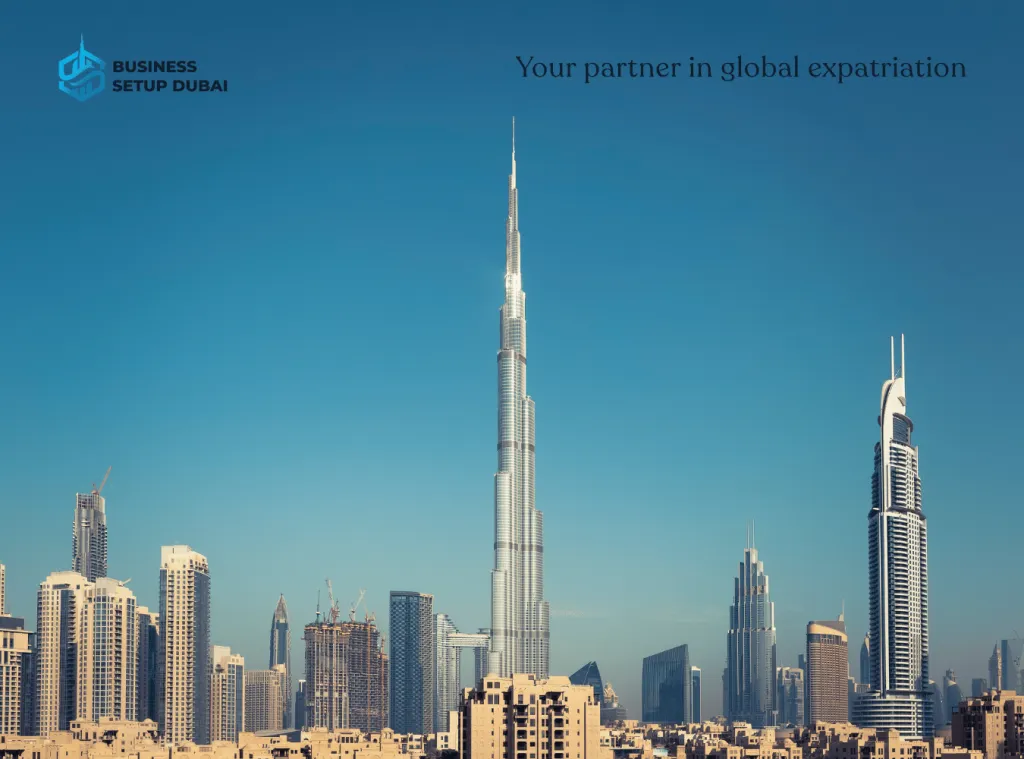
In less than forty years, this bold initiative transformed Dubai from a modest trading port into a thriving global metropolis. Free zones became the driving force behind this growth, attracting thousands of international companies through tax incentives, 100% foreign ownership, and state-of-the-art infrastructure.
Today, the UAE boasts over 55 active free zones, each dedicated to supporting industries such as technology, media, logistics, healthcare, and finance, solidifying its status as one of the world’s most dynamic business destinations.
Ready to start building your future in Dubai?
Talk to an expert about your project: free zone choice, licence, visas and banking, all handled for you.
Let's talk about your projectHow Much Does It Cost to Set Up a Free Zone Company in Dubai?
The cost of setting up a Free Zone company in Dubai depends on several factors, including the chosen Free Zone, business activity, number of visas, and type of office space. However, here’s a clear overview to help you estimate your investment:
| Setup Element | Estimated Cost (AED) | Details |
| Business License | AED 7,500 – 25,000 | The license fee varies by Free Zone and activity type (e.g., trading, consulting, media, tech). |
| Visa Allocation (per visa) | AED 3,000 – 6,000 | Covers application, Emirates ID, and medical test for each visa holder. |
| Office / Flexi Desk | AED 5,000 – 15,000 | Required by most Free Zones; cost depends on location and facilities. |
| Registration & Name Approval | AED 1,000 – 3,000 | One-time administrative fees for company registration and trade name reservation. |
| Establishment Card & Government Fees | AED 1,000 – 2,500 | Required for immigration and licensing procedures. |
| Total Estimated Setup Cost | AED 15,000 – 50,000+ | Depending on Free Zone and business requirements. |
- Freelancers or solo entrepreneurs can start for as little as AED 7,500 – 12,000 (GoFreelance, Shams, or RAKEZ).
- SMEs and multi-visa setups typically range between AED 20,000 and 35,000.
- Premium zones such as DMCC, DIFC, or ADGM can exceed AED 50,000, offering higher prestige and access to global banking.
Choosing the right Free Zone is crucial. Each zone has its own cost structure, visa quota, and list of activities. Working with a Business Setup Dubai consultant ensures you select the most cost-effective Free Zone that fits your goals, whether it’s tech, media, consulting, or trading.
Ready to launch your company?
Book a free consultation with our experts, and we’ll help you compare Free Zones, calculate exact setup costs, and get your business up and running in just a few days.
Advantages of Setting Up Your Free Zone Company in Dubai
To fully leverage the benefits of a Dubai free zone and avoid costly administrative mistakes, partnering with experienced professionals is essential.
At Business Setup Dubai, we guide you through every stage of your company formation, from choosing the right free zone and obtaining your business license and visa to handling all legal and administrative formalities with precision and efficiency.
Our goal is to make your setup process fast, compliant, and stress-free, so you can focus on growing your business in one of the most dynamic markets in the world.
Enjoy a free legal consultation with our experts and discover the best free zone for your project!
Some of the most popular free zones in the UAE include:
- DMCC (Dubai Multi Commodities Center)
- DUQE (Queen Elizabeth 2)
- MEYDAN (Meydan Free Zone)
- JAFZA (Jebel Ali Free Zone Authority)
- IFZA (International Free Zone Authority, Dubai Silicon Oasis)
- DTEC (Dubai Technology Entrepreneur Campus)
- SHAMS (Sharjah Media City)
- Fujairah Creative City
Let our team help you find the perfect zone for your business goals and set up your company quickly, securely, and profitably.
DMCC, IFZA, Meydan or SHAMS: which suits you?
Each free zone differs on activities, visas and cost. We compare the ones that fit your business and handle the licence and visa application.
Book a free consultationSuccess Story of a Free Zone Company in Dubai
Take the example of DMCC (Dubai Multi Commodities Center), often ranked as the world’s leading free zone. Home to over 20,000 active companies, DMCC attracts entrepreneurs from diverse industries such as gold and diamond trading, commodities, fintech, and technology.
One inspiring case is that of a UK-based entrepreneur who launched an import-export business for specialty food products in Dubai. By setting up in DMCC, he gained access to cutting-edge logistics infrastructure, 0% personal income tax, and full profit repatriation, all while avoiding complex VAT processes on cross-border transactions.
Within just two years, his company doubled its turnover and significantly reduced operational costs, demonstrating how Dubai’s free zones can transform ambitious ventures into international success stories.
Ready to start building your future in Dubai?
Talk to an expert about your project: free zone choice, licence, visas and banking, all handled for you.
Let's talk about your projectTop Business Activities Thriving in Dubai’s Free Zones
Dubai’s free zones cater to a wide range of industries, making them the perfect launchpad for entrepreneurs from all sectors. Whether you’re a tech innovator, consultant, or trader, there’s a free zone tailored to your business goals.
Some of the most popular activities in Dubai’s free zones include:
- E-commerce and digital marketing
- Information technology and software development
- Import and export of goods
- Business, management, and financial consulting
In addition, several free zones are industry-specific, offering unique ecosystems designed for innovation and growth. For example:
- DMCC: Focused on commodities, gold trading, and blockchain technology
- IFZA: Known for consulting, tech startups, and international trade
- DTEC (Dubai Technology Entrepreneur Campus): Dedicated to AI, fintech, and aviation technology
Each free zone provides entrepreneurs with the infrastructure, licensing options, and tax advantages needed to thrive in Dubai’s fast-evolving business landscape.
Mainland vs Free Zone in Dubai: Which Business Setup Is Right for You?
When starting a business in Dubai, UAE, one of the most important choices you’ll make is whether to establish your company on the mainland or in a free zone. Both structures offer unique advantages depending on your business model, target market, and long-term goals.
Mainland Company
Ownership: Mainland companies can offer 100% foreign ownership under certain legal structures and approved activities. However, for some sectors, a local Emirati partner holding 51% of the shares may still be required, depending on the jurisdiction and nature of the business.
Geographic Scope: A mainland company has the freedom to operate anywhere in the UAE, allowing you to trade directly with both local and international markets without restriction.
Business Activities: The mainland structure supports a wide range of business activities, including professional services, retail, trading, and manufacturing.
Office Space: A physical office on the mainland is typically mandatory. The number of residence visas your company can obtain is linked to the size of your office space.
Free Zone Company
Ownership: Free zone companies allow 100% foreign ownership, giving entrepreneurs complete control over their operations.
Business Activities: Free zones support a variety of activities, though each zone often specializes in specific sectors, for example:
- Dubai Internet City: Technology and IT services
- Jebel Ali Free Zone (JAFZA): Logistics and trade
- Sharjah Publishing City: Print and media
Office Space: Free zones offer modern, fully equipped office solutions, ranging from flexible desks to private offices. However, businesses are generally required to maintain their workspace within the free zone itself.
In summary, mainland companies are ideal for businesses targeting the UAE domestic market, while free zone setups are perfect for those focused on international trade, services, or tech-driven sectors. Choosing the right structure depends on your business activity, budget, and growth ambitions.
| Feature | Mainland | Free Zone |
| Ownership | 100% foreign ownership for most activities since 2021 (a UAE partner is still required for a short list of strategic-impact activities) | 100% foreign ownership |
| Geographic Scope | Operates throughout the UAE | Registered in the zone; what it may do beyond the zone depends on the activity, the operating model and any mainland presence or distributor |
| Business Activities | Diverse range | Specialised in certain industries |
| Office Space | Physical office of at least 200 square feet | Physical office within the free zone or a virtual workplace |
A Complete Guide to Dubai Free Zone Business Licenses
Dubai’s Free Zones offer a wide range of business licenses designed to meet the needs of different industries and professional activities. While the types of licenses may vary slightly depending on the specific Free Zone, the following overview covers the most common options available to entrepreneurs and investors.
1. Core Business Licenses
- Trading License: Authorizes the buying, selling, importing, exporting, distributing, and storing of goods within and outside the UAE.
- Commercial License: Covers a broad range of business activities, including retail, consultancy, and general commercial operations.
- Industrial License: Required for companies involved in manufacturing, processing, packaging, or assembling products.
- Service License: Designed for businesses offering professional or specialized services, such as marketing, IT, or management consulting.
- Freelance License: Allows individual professionals to operate independently under their own name, ideal for consultants, creatives, and tech specialists.
2. Specialized Business Licenses
- Media License: For companies engaged in publishing, advertising, broadcasting, content creation, and other media-related activities.
- E-commerce License: Enables businesses to sell products or services online, both locally and internationally.
- Manufacturing License: For production, assembly, or fabrication of goods, typically within industrial Free Zones.
- Technology License: Tailored for tech startups and IT firms in innovation hubs such as Dubai Internet City or DTEC.
- Healthcare License: Required for medical and healthcare providers, particularly those operating in Dubai Healthcare City.
- Education License: For training centers, academies, and educational institutions, often issued by Dubai Knowledge Park or similar zones.
- Real Estate License: Permits activities such as property management, real estate brokerage, and facility management.
- Logistics and Freight License: For companies offering shipping, warehousing, freight forwarding, or supply chain management, especially in JAFZA or logistics-focused zones.
- Event Management License: Grants permission to organize and manage corporate, social, or entertainment events within Dubai’s Free Zones.
- Consultancy License: Covers a broad scope of advisory services, from legal and financial consulting to strategy and business management.
Important Note
Each Free Zone has its own specific licensing rules, eligibility criteria, and documentation requirements. To ensure your business is correctly licensed, it’s highly recommended to consult with the Free Zone authority or seek assistance from a business setup specialist, such as Business Setup Dubai, who can guide you through the process and help you choose the most suitable license for your activity.
Book your appointments for a Free Consultation with our business expert!
Ready to start building your future in Dubai?
Talk to an expert about your project: free zone choice, licence, visas and banking, all handled for you.
Let's talk about your projectKey Facts About Free Zone Company in Dubai
- Over 55 free zones operate across the UAE, with over 20 located in Dubai, each catering to specific industries such as technology, media, logistics, and finance.
- 0% Corporate Tax on Qualifying Income for eligible Qualifying Free Zone Persons, with 9% on taxable income that is not Qualifying Income. There is no UAE personal income tax on individuals in any case.
- 10,000+ new companies register in Dubai’s free zones every year, reflecting their global appeal and investor-friendly framework.
- Setup costs start from AED 8,000 (approximately $ 2178) for a license without visa allocation, making it an affordable entry point for entrepreneurs.
- In some free zones, you can establish your company in as little as 3 days, provided all required documents are ready and approved.
Dubai’s free zones continue to attract entrepreneurs worldwide thanks to their speed, flexibility, and unmatched business advantages.
How to Choose the Right Legal Structure for Your Free Zone Company in Dubai
When setting up a business in a Dubai Free Zone, one of the most crucial decisions you’ll make is selecting the appropriate legal structure. The UAE offers several types of entities designed to suit different ownership models, business goals, and operational needs.
The three most common structures are:
- Free Zone Limited Liability Company (FZ LLC)
- Free Zone Company (FZCO)
- Free Zone Establishment (FZE)
1. Free Zone Limited Liability Company (FZ LLC)
The FZ LLC is one of the most popular options for entrepreneurs and investors. It provides an excellent balance between operational flexibility, shareholder protection, and ease of setup.
- Limited liability protection: Shareholders are only liable up to the amount of their capital contribution.
- Flexible ownership structure: Can be owned by individuals, corporate entities, or a combination of both.
- No shareholder limit: Accommodates businesses of various sizes and complexities.
- Straightforward setup: Simple incorporation process with minimal administrative requirements.
This makes the FZ LLC ideal for small to medium-sized companies seeking efficiency and legal security while maintaining a professional corporate structure.
2. Free Zone Company (FZCO)
The FZCO offers similar benefits to the FZ LLC but with more flexibility in terms of ownership and shareholder participation. It’s particularly suited for companies that plan to involve multiple investors or partners.
Main features include:
- Limited liability for all shareholders.
- Greater flexibility in structuring ownership and capital distribution.
- Scalable governance model, suitable for larger or more complex businesses.
However, managing an FZCO may involve additional administrative procedures and a more defined governance framework to accommodate multiple shareholders.
3. Free Zone Establishment (FZE)
The FZE is the simplest and most straightforward legal form available. Designed for single-owner companies, it offers full control and autonomy over business decisions.
- 100% ownership by one individual or corporate entity.
- Simplified management and decision-making process.
- Ideal for freelancers, consultants, and small business owners.
While the FZE provides independence and ease of management, it may not be suitable for businesses requiring multiple investors or complex shareholding structures.
Choosing the Right Legal Entity
Selecting the correct entity depends on your business size, investment model, and growth ambitions:
- Choose FZCO if you plan to include several shareholders or investors.
- Opt for FZE if you’re a solo entrepreneur seeking simplicity and full control.
- Consider FZ LLC if you want liability protection, flexibility, and a streamlined setup.
Before making a final decision, it’s wise to consult with a business setup expert or legal advisor. At Business Setup Dubai, our specialists can help you determine the most suitable legal structure to ensure your company is compliant, efficient, and built for long-term success in Dubai’s thriving Free Zones.
Untold Challenges of Operating a Free Zone Company in Dubai
Although Dubai’s free zones offer significant advantages, from tax benefits to full foreign ownership, they’re not always the perfect fit for every business model.
One key limitation lies in market access. Companies established in a free zone are generally restricted from trading directly within the UAE’s local market. Unlike mainland businesses, which can operate freely across the Emirates, a free zone company must partner with a local distributor or agent to sell its products or services domestically.

This requirement can lead to higher operating costs, longer distribution chains, and added administrative complexity.
Therefore, while free zones are ideal for international trade, digital services, and consulting, businesses targeting the local UAE market should carefully evaluate whether a mainland setup might be a more strategic choice.
Ready to start building your future in Dubai?
Talk to an expert about your project: free zone choice, licence, visas and banking, all handled for you.
Let's talk about your projectStep-by-Step Guide to Setting Up Your Company in a Dubai Free Zone
Launching a business in a Dubai Free Zone is a streamlined process designed to support entrepreneurs and investors. Here’s a clear breakdown of the essential steps to get started:
- Choose the Right Free Zone: Select a Free Zone that aligns with your industry and target market. Each zone specializes in specific sectors such as technology, media, logistics, or finance.
- Define Your Business Entity and Activities: Decide on the legal structure (FZ LLC, FZCO, or FZE) and specify the business activities you intend to carry out.
- Select a Company Name: Pick a suitable name for your business. Ensure it complies with Free Zone naming regulations and check availability through an online name-check tool.
- Prepare Your Application: Gather all required documents, including passport copies, a detailed business plan, and your office lease agreement.
- Determine Legal Structure and Share Capital: Confirm your company’s structure and meet any minimum share capital requirements set by the Free Zone authority.
- Submit Your Application: Submit your completed forms and supporting documents to the chosen Free Zone authority for review.
- Obtain Initial Approval: Once your application is approved, pay the relevant setup fees to proceed.
- Sign the Lease Agreement: Secure your workspace within the Free Zone by signing an office or flexi-desk lease agreement.
- Receive Your Business License: After all approvals and payments, your official business license will be issued, authorizing you to operate legally.
- Open a Corporate Bank Account: Set up a business bank account in Dubai to manage transactions and business finances.
By following these steps carefully or working with a specialized business setup consultant, you can complete your Free Zone company formation quickly and efficiently, often within just a few days.
Key Requirements & Renewal Process for Free Zone Businesses in Dubai
The documents and procedures for company setup in a Dubai Free Zone may vary by authority and activity, but generally include:
- Completed application form
- Passport copies of shareholders and managers
- Business plan (if required)
- Lease agreement within the Free Zone
- Emirates ID and UAE residence visa (for applicants already in the country)
Freelancers may also need to provide a CV or portfolio, while certain industries require additional approvals.
License Renewal
Free Zone licenses must be renewed annually by submitting a renewal application and paying the corresponding fees. To stay compliant, companies should also:
- Maintain annual audits and financial statements
- Renew visas and trade licenses on time
Since every Free Zone has unique regulations and fees, it’s best to consult the specific authority or a business setup expert for accurate, up-to-date guidance.
We are here to assist you better. Book a free consultation with our expert for all your inquiries!
Legal Structures in the UAE: Understanding Free Zone and Mainland Options
In the United Arab Emirates, businesses can operate under two main legal frameworks: the Free Zone (FZE) and the Mainland (LLC). Each structure offers distinct advantages depending on your business goals, market reach, and ownership preferences.
Below is an overview of the key Free Zones in Dubai and the UAE, along with the legal forms available in each.
| Freezone Name | Sectors of Activity | Key Benefits | Available Legal Forms |
| DMCC (Dubai Multi Commodities Centre) | Trade in gold, diamonds, technologies | State-of-the-art logistics infrastructure, attractive tax rates | FZ-LLC (Free Zone Limited Liability Company) |
| DUQE (Queen Elizabeth 2) | Row 2, Content 1Startups and innovative companies | Simplified process, location on a luxury boat | FZ-LLC (Free Zone Limited Liability Company) |
| MEYDAN (Meydan) | E-commerce, technology, finance | Easier access for entrepreneurs, reduced costs | FZ-LLC (Free Zone Limited Liability Company) |
| JAFZA (Jebel Ali Freezone Authority) | Logistics, industry, import-export | Access to Jebel Ali port, ideal for international trade | FZ-LLC (Free Zone Limited Liability Company) |
| IFZA (Dubai Silicon Oasis) | Multi-sectors, startups, SMEs | Flexibility in activities, competitive costs | FZ-LLC (Free Zone Limited Liability Company) |
| DTEC (Dubai Silicon Oasis) | Technology, IT, innovation | Accelerator for technology startups | FZ-LLC (Free Zone Limited Liability Company) |
| SHAMS (Sharjah Media City) | Media, audiovisual production | Ideal for creatives and media | FZ-LLC (Free Zone Limited Liability Company) |
| Fujairah Creative City | Creation, media, freelancers | Low setup costs, suitable for freelancers | FZ-LLC (Free Zone Limited Liability Company) |
Conclusion: Why a Free Zone Company in Dubai Is a Smart Business Move
Setting up a Free Zone company in Dubai is one of the most strategic decisions for entrepreneurs and investors seeking global opportunities. With 100% foreign ownership, tax-free benefits, and easy access to international markets, Dubai’s Free Zones provide a secure and profitable environment for business growth.
Whether you’re launching a startup, expanding your global footprint, or relocating your operations, Dubai offers a streamlined setup process, world-class infrastructure, and a vibrant ecosystem that fosters innovation and success.
Partnering with experts like Business Setup Dubai ensures that every step, from licensing and visa processing to compliance, is handled smoothly and efficiently.
Ready to open your free zone company?
We manage licensing, visas, bank account opening and ongoing compliance, so your company is set up correctly from the first day of trading.
Book a free consultationFrequently Asked Questions about Free Zone Company in Dubai
With a clear vision to guide entrepreneurs like you, we’ve compiled some of the most frequently asked questions about Dubai’s Free Zones, carefully curated from trusted sources and real audience insights to give you a deeper understanding.
How much does it cost to set up a Free Zone company in Dubai?
A: The cost to start a Free Zone company in Dubai typically ranges between AED 15,000 and AED 50,000, depending on the zone, number of visas, and office type. Smaller setups, like freelancers, can start from AED 7,500, while premium zones like DMCC or DIFC cost more due to higher prestige and access to global banking.
Which is the best Free Zone in Dubai for new entrepreneurs?
A: Popular choices include DMCC, IFZA, and Meydan Free Zone, thanks to their affordability, industry flexibility, and simplified setup process. DMCC is ideal for traders, IFZA for startups and consultants, and DTEC for technology and innovation businesses.
How long does it take to register a company in a Dubai Free Zone?
A: In most Free Zones, you can register your company in as little as 3 to 7 business days, provided all required documents are complete and approved by the Free Zone authority.
Can I operate my Free Zone company in the UAE mainland?
A: No, Free Zone companies are not allowed to trade directly within the UAE mainland. To sell locally, you must appoint a local distributor or agent licensed to operate on the mainland.
What are the main benefits of a Dubai Free Zone company?
A: Key advantages include 100% foreign ownership, 0% Corporate Tax on Qualifying Income where the conditions are met, full repatriation of profits, simplified visa procedures, and no customs duties on imports or exports. Each Free Zone also provides specialized infrastructure tailored to different industries.
Do I need to be in Dubai to open a Free Zone company?
A: Not necessarily. Many Free Zones allow remote company formation, meaning you can complete the process online or through a business setup agent before physically relocating to the UAE.
What’s the difference between an FZE, FZCO, and FZ LLC?
- FZE (Free Zone Establishment): For single owners.
- FZCO (Free Zone Company): For multiple shareholders.
- FZ LLC (Free Zone Limited Liability Company): Offers liability protection and flexibility for larger setups.
Are Free Zone companies subject to UAE Corporate Tax?
A: Yes, and they must register. A Qualifying Free Zone Person pays 0% on Qualifying Income and 9% on taxable income that is not Qualifying Income. The AED 375,000 nil band that applies on the mainland does not apply to a QFZP, and a company that fails the qualifying conditions falls back to the ordinary 9% regime.
Can I get a UAE residence visa through a Free Zone company?
A: Yes. Free Zone business owners can apply for UAE residence visas for themselves, their families, and employees, depending on the visa quota assigned by the Free Zone.