


General merchandise
Homeware, textiles, toys and hardware clear on the licence and the HS code alone. Duty is the standard 5% of the CIF value, and the classification you declare is what decides it.
No import permit needed
Trade internationally with expert guidance on setting up an import-export business in the UAE. From licensing to customs and banking, we make sure your global venture thrives.
Dubai has evolved into a dynamic nexus for international commerce, offering unmatched opportunities for businesses to import and export goods. At Business Setup Dubai, we empower entrepreneurs and companies alike to establish and grow their import-export business in the UAE with confidence and efficiency.
Our expert consultants simplify every step; from obtaining the necessary trade licenses and visas to navigating customs regulations and optimizing your supply chain. We have a strategic focus on compliance, innovation, and cost efficiency. Our team ensures your business is well-equipped to capitalize on Dubai’s booming trade environment.

Trade globally, grow locally, from Dubai
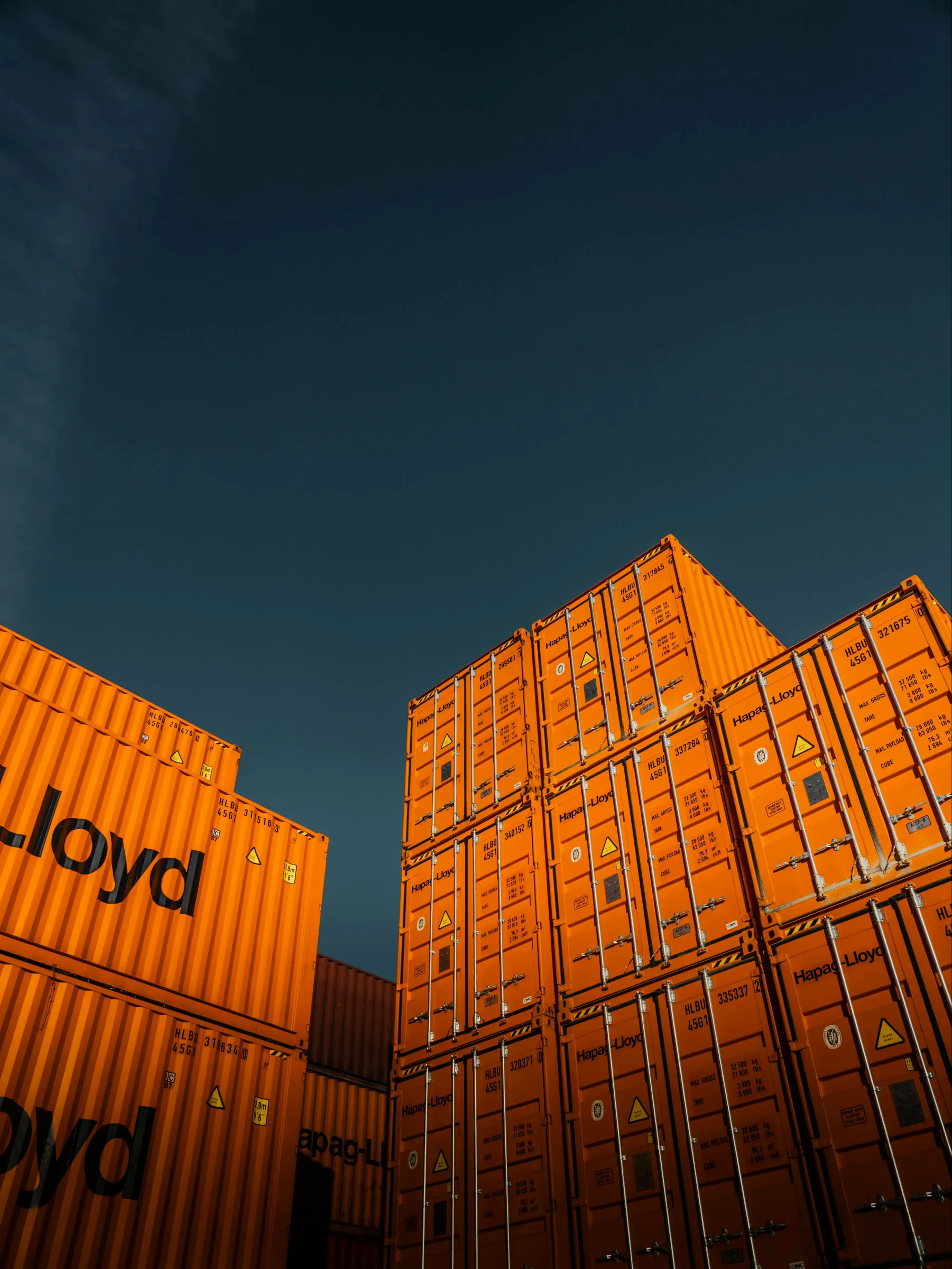
Dubai’s geographic position bridges the gap between East and West, making it an unrivaled gateway for accessing diverse markets worldwide. You can import goods from Asia or export products to Europe and beyond, Dubai’s central location ensures your business is always connected.
The UAE boasts state-of-the-art ports, advanced logistics networks, and modern airport facilities. This robust infrastructure facilitates seamless trade operations, minimizes transit times, and enhances the overall efficiency of your supply chain.
Dubai offers a stable political climate, investor-friendly regulations, and a tax-efficient system. With no personal income tax and low corporate tax rates, businesses can maximize profits while enjoying a supportive regulatory framework.
The UAE is home to more than 55 free zones, each designed to offer tax benefits, 100% foreign ownership, and streamlined procedures. These zones provide significant advantages for import-export businesses, including simplified customs processes and access to a wide range of support services.
Dubai’s rising consumer demand and robust international trade partnerships create a fertile environment for import-export ventures. With record non-oil trade volumes and an expanding market for luxury, industrial, and consumer goods, the opportunities are endless.
Your structure follows the cargo: whether it touches UAE soil, whether it clears customs in your name, and who buys it at the other end. Four models cover almost every trading company we set up.
We make international trade setup simple
At Business Setup Dubai, our expert team works with you every step of the way to guarantee that your venture is compliant, efficient, and primed for success.
Personalized Assessment
Our journey begins with a detailed consultation where we assess your business model, target markets, and specific trade objectives. We analyze the types of goods you intend to import or export and discuss your long-term growth strategy.
Market research and competitive analysisBusiness planning and strategic roadmapsTrade routes and logistics planning
Let our experts help you set up your business today, hassle-free.Choosing the Right Framework
Our experienced business setup consultants will help you decide which structure aligns best with your import-export goals.
Dubai offers a variety of business jurisdictions, each with its unique benefits:
Ideal for businesses that require direct access to local markets and government contracts.
Best for companies that value 100% foreign ownership, tax incentives, and streamlined customs processes.
Suitable for international trading and asset management with lower operational costs.
A flexible option for individual consultants and small-scale operations.
Securing Your Trade License
Obtaining the correct trade license is crucial. The process involves:
Specify the scope of your import-export operations.
Gather your business plan, legal formation documents, identification proofs, and compliance certificates.
We manage the submission process to the Dubai Department of Economy and Tourism (DET) or the relevant Free Zone Authority, ensuring accuracy and timeliness.
Understanding Customs Procedures
Dubai’s customs regulations are designed to facilitate efficient trade while ensuring compliance with international standards. Our experts help you:
Accurate classification using Harmonized System (HS) codes is essential to determine tariffs.
Ensure that all import and export documents are complete and compliant.
Benefit from the numerous incentives offered to licensed businesses in Free Trade Zones.
Securing the Right Support Services
To operate your import-export business efficiently, you’ll need more than just a license:
Secure the appropriate UAE Residence Visa for key personnel.
Open a corporate bank account, whether it’s through Emirates Bank Account Opening or Offshore Bank Account UAE, to streamline financial transactions.
Depending on your needs, consider options ranging from a Virtual Office in Dubai to a physical setup in a Free Trade Zone.
Continuous Regulatory Monitoring
Compliance doesn’t end with license issuance. We offer ongoing support to ensure your operations remain compliant:
Continuous monitoring and internal audits to identify and rectify potential compliance issues.
Help with license renewals and necessary updates as regulations evolve.
Ongoing consultations to optimize your business operations and expand your market reach.
Plan ahead with clarity on costs and timelines
Understanding the investment and timeline is key to planning your import-export venture. Although costs vary based on the size and scope of your business.
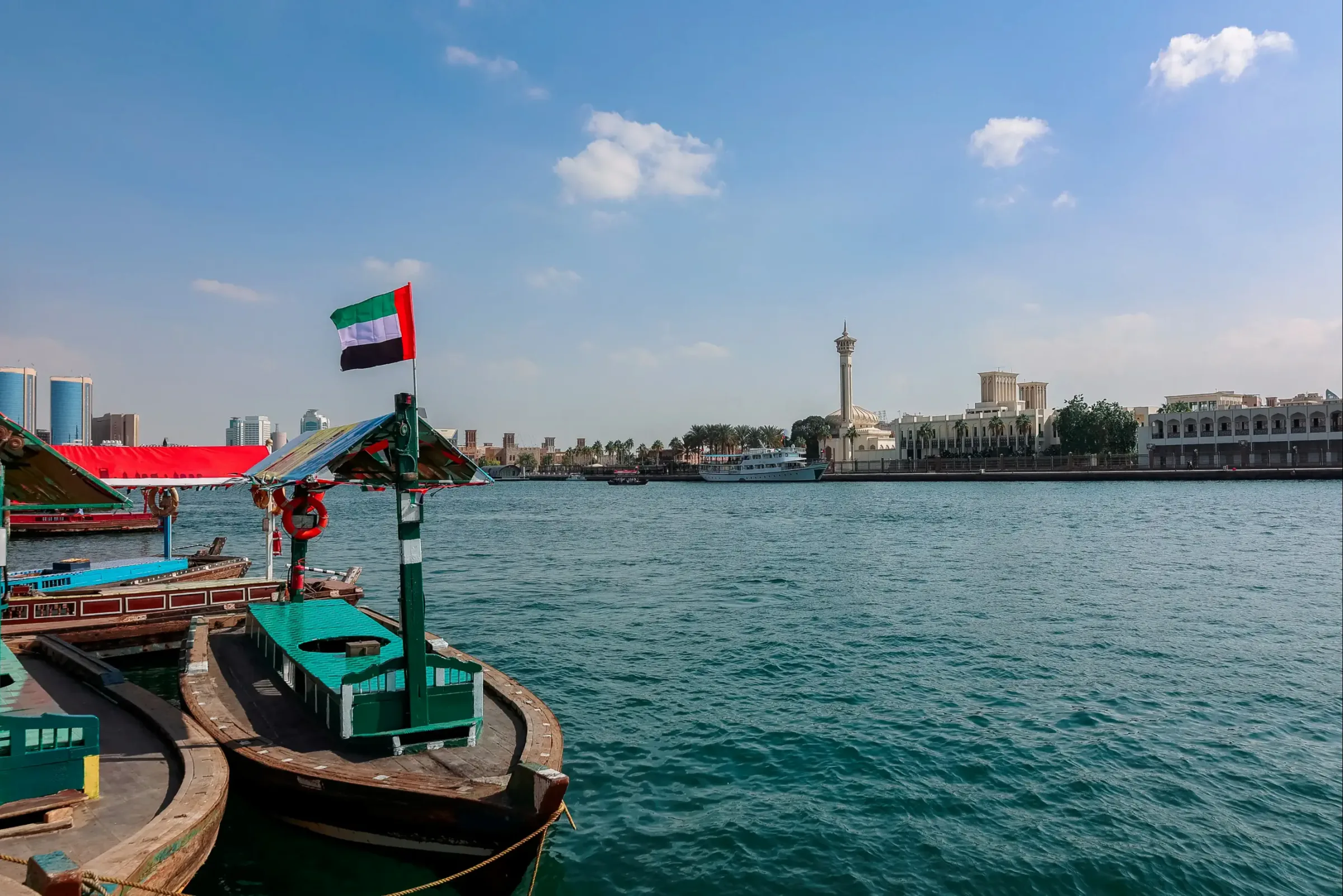
Two honest ranges, then the zones an importer actually shortlists. The spread inside each range is the visa count and the workspace, and general trading sits on top of both.
Free zone company, one residence visa
AED 15,750 to 41,500
Year one, our professional fee included. A commercial licence on its own starts at AED 5,000, and around AED 9,999 buys the same thing inside a designated zone.
Dubai mainland trading company
AED 15,000 to 40,000
Year one, our professional fee included. The route to take when UAE buyers are the market rather than the transit point.
A trading licence does not clear cargo on its own. The code is registered with the emirate customs authority in the company name and renewed every year, and a lapsed one stops a container at the port rather than at your desk.
The GCC common external tariff is 5% of the CIF value for almost everything. Alcohol is 50% and tobacco 100%, a list of food and agricultural staples is nil, and the UAE trade agreements with India, Turkey and Indonesia cut it further on named goods. The HS code you declare decides which of those applies.
IFZA prices it at around AED 10,000 on top of the package and DUQE at around AED 15,000 on top of AED 12,500. Most importers pay for it and only ever sell two or three product lines.
AED 3,500 to 5,500 to issue and stamp, and several zones bill the visa allocation on top at AED 1,600 to 1,850. A change of status adds AED 800 to 1,600 if the person is already in the country.
Every visa holder must be covered. A basic plan is around AED 900 for an employee and AED 1,400 for an investor, and a plan you would actually want to use runs to AED 6,000 a year.
From AED 250 a page for legal translation, AED 575 to attest a personal document and AED 2,900 for a corporate one. A foreign parent company is the expensive case.
Six categories move through the UAE in volume. Half of them need a permit or a conformity certificate before the cargo is released, and that lead time belongs in your shipping plan, not in your demurrage bill.
Homeware, textiles, toys and hardware clear on the licence and the HS code alone. Duty is the standard 5% of the CIF value, and the classification you declare is what decides it.
No import permit needed
Every food product is registered and its label approved before the consignment is released, and the label carries Arabic. Remaining shelf life on arrival is checked as well, so a slow shipment can fail on age alone.
Clearance before release: Dubai Municipality
Anything that transmits needs type approval, and most devices need a conformity certificate. Customs holds shipments that arrive without one, and storage is charged while you sort it out.
Clearance before release: TDRA and ECAS
Registered product by product, cosmetics with the municipality and health supplements with the health ministry. The ingredient list decides admissibility, so have it checked before you place the order.
Clearance before release: Dubai Municipality and MOHAP
Both the product and the importer are registered, and your storage conditions are inspected. The longest lead time of the six and the least forgiving of a missing document.
Clearance before release: MOHAP
No import permit as such, and the heaviest source-of-funds and source-of-goods scrutiny of any category, from your bank and under the UAE anti-money-laundering rules. Keep the chain of custody from the first parcel.
No import permit needed
Stay ahead: What’s shaping trade in the UAE
Here are some trends shaping the UAE’s trade environment:
For a trading company the rule is unusually specific, and it turns on the kind of zone you are in.
Outside a free zone, corporate tax is 0% on the first AED 375,000 of taxable income and 9% above it. Inside one, 0% applies only to the qualifying income of a Qualifying Free Zone Person. Distribution counts as a qualifying activity only where the goods come in through a Designated Zone and go out to a buyer who resells or processes them, so a free zone that is not a designated one does not carry the rule at all.
Goods enter through a Designated Zone and go to a buyer who resells or processes them
0%
You trade a qualifying commodity in raw form at a quoted market price
0%
You sell imported goods direct to the end user on the UAE mainland
9%
Check your zone against the Federal Tax Authority designated zone list before you sign anything, and remember that failing the de minimis test costs the 0% for that year and the four that follow. Sources: Federal Decree-Law 47/2022, Cabinet Decision 100/2023, Ministerial Decision 229/2025.
A UAE licence changes what you pay here. It does not, on its own, change what your own country asks of you. This is the part most Dubai pages leave out.
Corporate tax on profits
United Kingdom25% main rate of corporation tax, 19% on profits under £50,000.
In the UAE0% on the first AED 375,000, 9% above it. A free zone 0% applies only to qualifying income.
Taking money out
United KingdomDividends are taxed again on your personal return, at your dividend band, on top of the corporation tax already paid.
In the UAENo personal income tax on salary or on dividends.
If you keep your ties at home
United KingdomHMRC can treat a Dubai company as UK tax resident if it is centrally managed and controlled from the UK. Where you run it from matters more than where it is registered.
In the UAEThe licence alone does not decide where you are tax resident.
What your company counts as
United KingdomA foreign company you control can fall within the UK controlled foreign company rules.
In the UAEA normal UAE company at this end.
Does your tax authority find out
United KingdomYes. The UAE exchanges financial account information with the UK under CRS.
In the UAEReported from this side, automatically.
What leaving actually takes
United KingdomThe Statutory Residence Test, counted in days and ties. Intention is not part of it.
In the UAEA residence visa, an Emirates ID, and enough presence to keep them alive.
Corporate tax on profits
United States21% federal corporate tax, plus whatever your state adds.
In the UAE0% on the first AED 375,000, 9% above it. A free zone 0% applies only to qualifying income.
Taking money out
United StatesSalary and dividends stay reportable on your US return wherever in the world you live.
In the UAENo personal income tax at the UAE end.
If you keep your ties at home
United StatesThe United States taxes citizens and green card holders on worldwide income regardless of where they live. Moving to Dubai does not end that, and no UAE licence can.
In the UAEThe UAE does not tax you. That does not stop the US doing so.
What your company counts as
United StatesMajority US ownership makes your UAE company a controlled foreign corporation, and GILTI can pull its profits onto your return before you have distributed anything. Form 5471 comes with it.
In the UAEA normal UAE company at this end.
Does your tax authority find out
United StatesYes, but not through CRS: the US is not a participant. It uses FATCA instead, and UAE banks report under it. FBAR is on you separately.
In the UAEThe same accounts, reported under FATCA.
What leaving actually takes
United StatesShort of renouncing citizenship, which carries its own exit tax, it does not end. Residence changes some things, citizenship changes almost nothing.
In the UAEA residence visa and an Emirates ID, which change your UAE position only.
Corporate tax on profits
CanadaRoughly 26.5% combined federal and provincial on general active income, with a lower small-business rate on the first tranche.
In the UAE0% on the first AED 375,000, 9% above it. A free zone 0% applies only to qualifying income.
Taking money out
CanadaDividends are taxed on your personal return at your own bracket.
In the UAENo personal income tax at the UAE end.
If you keep your ties at home
CanadaThe CRA looks at residential ties, a home, a spouse, dependants, not at the date on your boarding pass. Keeping the house can be enough to keep you resident.
In the UAEThe licence severs nothing on its own.
What your company counts as
CanadaPassive income inside a foreign affiliate can be taxed as it accrues under the FAPI rules, and the affiliate goes on form T1134.
In the UAEA normal UAE company at this end.
Does your tax authority find out
CanadaYes. The UAE exchanges financial account information with Canada under CRS.
In the UAEReported from this side, automatically.
What leaving actually takes
CanadaCeasing residence triggers departure tax, a deemed disposition of most property on the day you leave. Plan it before you go, not after.
In the UAEA residence visa, an Emirates ID, and enough presence to keep them alive.
Headline rates and thresholds move with every budget, and this is a map of the structures, not tax advice. Confirm your own position with an adviser where you are tax resident before you decide anything.
Talk it through before you commitNone of this is heavy, but all of it has a date attached, and one of them can hold a container.
VAT is 5%. Registration becomes mandatory once taxable turnover passes AED 375,000 over the previous twelve months. Voluntary registration opens at AED 187,500, which is worth taking early if you want to recover input VAT.
A VAT-registered importer accounts for import VAT on the return under the reverse charge instead of paying at the border and reclaiming later. Goods that stay inside a Designated Zone under customs suspension are outside the scope until they cross into the mainland.
Zero-rated, provided you hold the export evidence. Keep the exit certificate with the invoice, because the evidence is what the rating rests on, not the destination printed on the packing list.
Every company registers for corporate tax, free zone companies claiming 0% included, and files annually. The registration is separate from the rate you end up paying.
Relief for companies under AED 3m of revenue applies to tax periods ending on or before 31 December 2026. Nothing has been announced beyond it, so plan for the standard regime.
The UAE is bringing in e-invoicing step by step. The voluntary pilot opened on 1 July 2026, businesses above AED 50m go live on 1 January 2027, and the rest follow on 1 July 2027. Pick an accredited service provider before your phase lands.
Register the customs client code in the company name as soon as the licence is issued, and renew it every year. A clearing agent can act for you, but the code and the declarations sit under your name and your liability.
Duty, permits and any trade-agreement relief all follow the classification you declare. Getting it wrong is not a rounding error, it is a reassessment with penalties attached, and it is the most common dispute an importer has with customs.
Goods brought in for onward shipment move under duty suspension against a deposit or a bank guarantee, refunded once the exit is confirmed digitally. Miss the re-export window and the deposit quietly becomes the duty.
Every one of these is recoverable. All of them are cheaper to avoid.
Customs holds the container because the activity on the licence does not cover the goods arriving under it.
The customs code was never registered, or it lapsed, and the cargo accrues storage while you fix it.
A free zone is picked without checking whether it is a designated zone, so the distribution rule and the duty suspension both fall away.
Electronics or food reach the port ahead of their conformity certificate, and demurrage runs from the day they land.
General trading is bought for a business that sells three product lines, and paid for again at every renewal.
It has to cover every family of goods you import, including the ones you plan to add next year, before general trading is worth its price.
We confirm the status against the Federal Tax Authority list, because it decides both your VAT position and whether your distribution income can qualify for the 0%.
Food, electronics, cosmetics and pharma each have an authority and a lead time. We flag them before you place the order, not when the container arrives.
The client code, the supplier contracts and the source of funds, assembled before the appointment rather than after a refusal.
Two checks screen out most of the market: registration with the authority that issues the licence, and the number of corporate accounts actually opened last year. Ask us the same questions.
“Which zones are you a registered agent for, and since when?”
“Do you register the client code for me, or hand me a link?”
“How many corporate accounts did you open last year, and at which banks?”
“Which activity code are you filing, and does it cover everything on my product list?”
“What is not included in this price?”
“Who files my corporate tax return and my VAT returns next year?”
Launch Your Global Trade Venture Today
Take the first step towards international success:
Book your free consultation now
FAQs
Your journey toward international trade success starts here.
With our robust support: from Business Setup in Dubai to Regulatory and Compliance Services in Dubai and beyond: your business is set for a bright future.
Take the first step towards unlocking global trade opportunities. Contact us today for a free consultation and let Business Setup Dubai transform your import-export ambitions into a thriving reality.
An import-export license authorizes your company to engage in international trade, allowing you to import and export goods legally within and outside the UAE.
Any business involved in the buying, selling, or trading of goods internationally must secure an import-export license. This is mandatory for compliance with UAE trade regulations.
Key documents include a detailed business plan, legal formation documents (MOA, AOA), identification proofs, and a tenancy agreement or proof of office/warehouse space, among others.
Costs vary based on factors like location, business type, and additional services.
The choice depends on your market focus. Mainland companies offer local market access, Freezone companies provide tax benefits and 100% foreign ownership, and Offshore companies are ideal for international trade.
Advantages include Dubai’s strategic location, state-of-the-art logistics infrastructure, favorable tax conditions, and a pro-business environment that supports global trade.
Yes, a physical office or warehouse is generally required for registering your business. However, you can choose from options like a virtual office or a flexi-desk arrangement based on your needs.
The process involves initial consultation, choosing the right jurisdiction, document preparation, application submission, regulatory approval, and ongoing compliance and renewal support.
Absolutely. Our integrated services include VAT Services in Dubai, Document Clearing Services in Dubai, and Company Formation Services in Dubai, ensuring a seamless setup.
Free Trade Zones offer significant advantages, such as tax exemptions, and 100% foreign ownership, making them ideal for import-export operations.
Simply contact us for a free consultation. Our expert team will guide you through every step of the process from initial planning to final approval; ensuring a smooth and efficient setup.